

Romance scams have become an insidious threat in the digital age, preying on vulnerable individuals seeking genuine connections online. Millions are affected worldwide, with victims losing vast sums of money and enduring psychological trauma. This blog post delves deep into one of the most notorious cases involving Hamish McLaren, a convicted romance scammer, and highlights the critical need for identity verification on dating apps as a frontline defense against fraudsters.
What Are Romance Scams?
Romance scams, sometimes called dating scams, occur when fraudsters manipulate emotional connections on dating platforms to exploit victims financially. These scammers often create fake profiles, build trust, and plea for money under false pretenses.
The Human Cost of Romance Scams
While financial loss is significant, the emotional toll can be even more devastating. Victims often experience heartbreak, betrayal, and long-term psychological damage, illustrating how romance scams transcend mere monetary fraud.
The Hamish McLaren Case: A Cautionary Tale
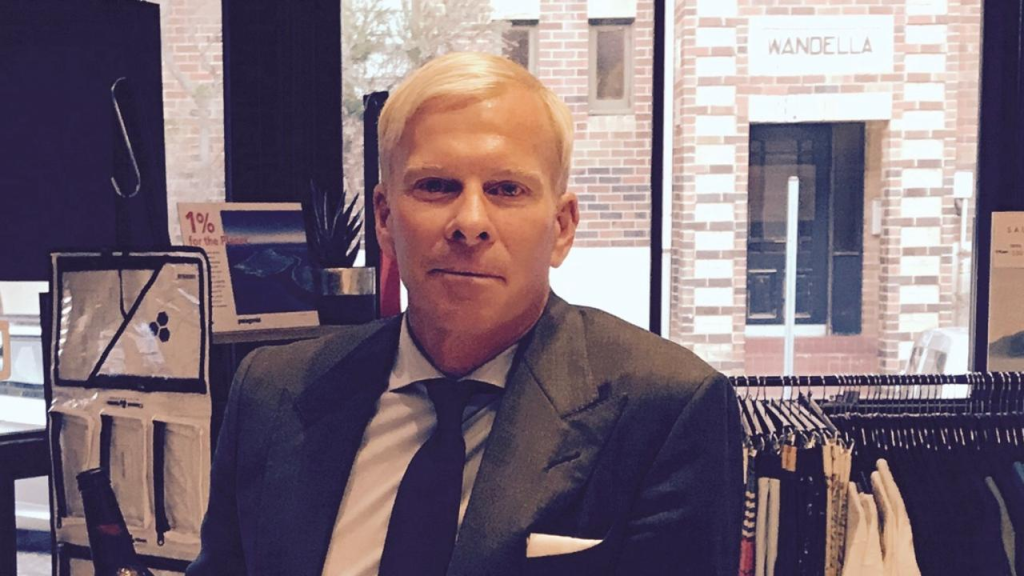
Background of the Case
Hamish McLaren, dubbed the “serial love rat,” was convicted of defrauding 15 victims out of $7.6 million through intricate romance scams and Ponzi schemes. This case is one of the most extensive recorded in Australia, with actual victim numbers probably higher than those convicted.
Victim Spotlight: Tracey Hall
Tracey Hall met McLaren on a dating app. Trusting him, she became one of his victims, losing $317,000—her life savings. Despite the trauma, Tracey has emerged as a leading advocate for combating romance scams, using her experience to campaign for safer online dating practices.
The Scale of Romance Scams in Australia
Australia reportedly loses about $140 million annually from love scams targeting vulnerable community members. These staggering numbers underline the urgent need for preventive measures.
Prevalence of Online Dating
With approximately one-third of Australian singles searching for partners online, dating apps have unfortunately become fertile ground for scammers. The anonymity on these platforms facilitates deception, allowing fraudsters to exploit trusting individuals.
The Case for Identity Verification in Online Dating
Tracey Hall argues that mandatory identity verification during dating profile creation can serve as a robust barrier to scammers. Ensuring prospective partners confirm their identity before interacting reduces fake profile creation and increases user trust and safety.
Potential Regulatory Changes
Lobbying efforts focus on introducing laws requiring dating platforms to implement identity checks. This regulatory intervention could significantly curtail the incidence of romance fraud by closing the loopholes scam artists currently exploit.
Supporting Statistics
Research indicates that the lack of identification requirements correlates with higher fraud rates on dating platforms. By introducing identity verification, platforms can effectively reduce the risk and impact of scams, providing safer environments for users.
Challenges Faced by Victims
Currently, support for victims of romance scams is sparse. Tracey highlights a gap in psychological and financial counseling services specifically designed to help victims recover and rebuild their lives.
Emotional and Psychological Recovery
Victims often face long recoveries from heartbreak and trust betrayal. Unlike other financial crimes, romance scams involve intense emotional manipulation, making healing more complex.
Advocacy and Prevention Efforts
Tracey Hall has launched a petition urging the government to strengthen online identity verification systems for dating apps. Her advocacy focuses on protecting individuals by preventing scammers from gaining easy access to platforms.
Role of Government and Industry
Collaboration between regulators, dating platforms, and consumer protection agencies is necessary. Policy changes must prioritize user safety without infringing on privacy, balancing protection with a positive user experience.
Educating the Public
Awareness campaigns are crucial. Educating singles about the signs of romance scams and encouraging vigilance can help reduce victim numbers alongside regulatory actions.
How Identity Verification Works
Common verification processes include submitting government-issued identification, biometric checks, or linking verified social media accounts. These steps can confirm authenticity without compromising privacy.
Integration with Dating Apps
Many dating platforms are beginning to adopt such measures, using badges or verified profiles to signal authenticity. Wider adoption could discourage scammers deterred by the verification hurdles.
The Road Ahead: Preventing Future Scams
Dating apps and authorities must continuously monitor suspicious activity and streamline reporting mechanisms. Early detection can prevent many scams before significant damage occurs.
Rehabilitation vs. Recidivism
The impending release of offenders like Hamish McLaren raises concerns about rehabilitation. Time will tell if such individuals reform, but enhanced preventive measures remain the best protection against their return.
Building a Safer Online Dating Environment
Ultimately, fostering a secure and trustworthy online dating ecosystem depends on multifaceted action: legal reforms, technology adoption, victim support, and public education work in tandem to combat romance scams.
Romance scams inflict devastating financial and emotional damage on victims worldwide. The case of Hamish McLaren highlights the urgent need for systemic changes in online dating safety protocols. Introducing mandatory identity verification during dating app registration presents a powerful solution to reduce fraud and protect genuine seekers of love. Advocacy by survivors like Tracey Hall proves instrumental in raising awareness and urging governments and industry leaders to implement these critical reforms. Together, through vigilance, regulation, and education, we can make the online dating world safer for everyone.
Learn to be safe with our guide Wise to the Con
Frequently Asked Questions (FAQ)
What is a romance scam?
A romance scam is a fraudulent scheme in which scammers build fake romantic relationships online to extract money or sensitive information from victims.
How can identity verification prevent romance scams?
By ensuring users confirm their identity before creating a dating profile, platforms reduce fake account creation, making it harder for scammers to operate.
Are there support services for victims of romance scams?
Currently, support services are limited. Victims often require both financial counseling and psychological support to recover fully.
What can I do to protect myself on dating apps?
Verify profiles, be cautious about sharing personal or financial information, and report suspicious behavior immediately to the platform.
By fostering awareness and advocating robust online safeguards, the fight against romance scams can be won, safeguarding both hearts and wallets.